Company
Stratos Laser makes one family of parts: laser-cut hypotubes, the pull rings that steer them, and the tubing they start as. Every machine on the floor was built to cut hypodermic tubing, and every cutting program that runs on one was written in this building.
Who we are
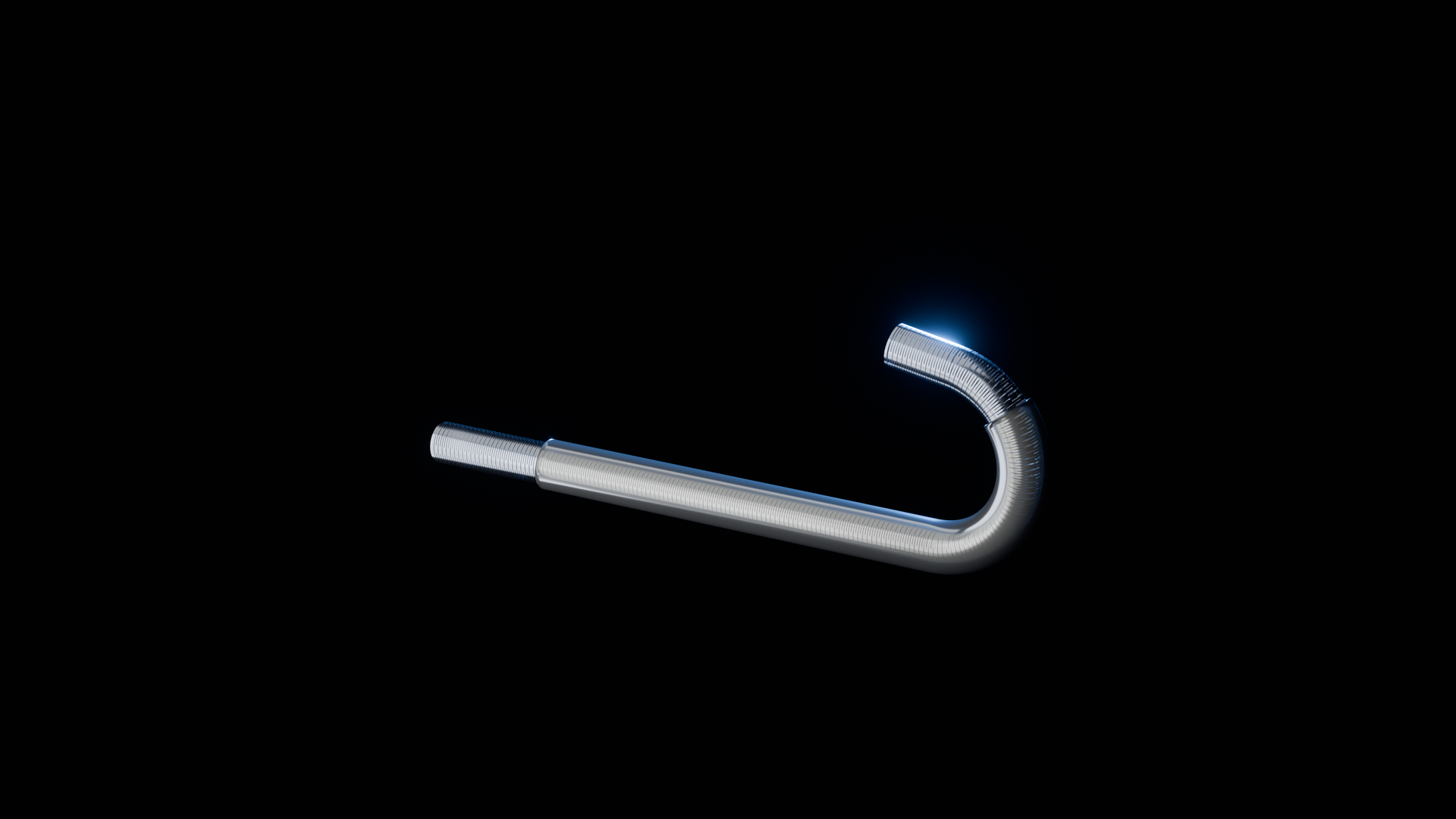
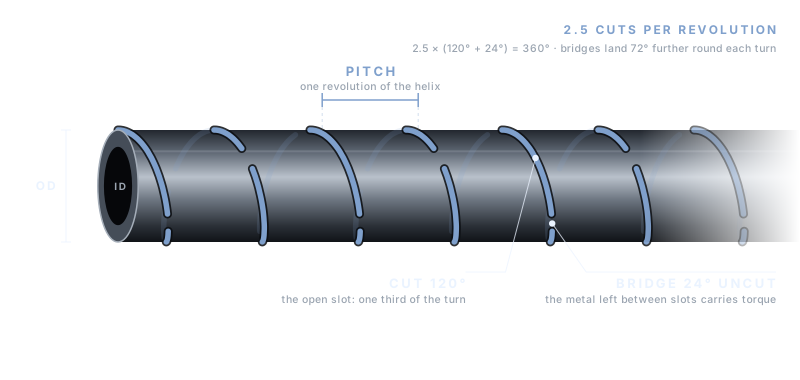
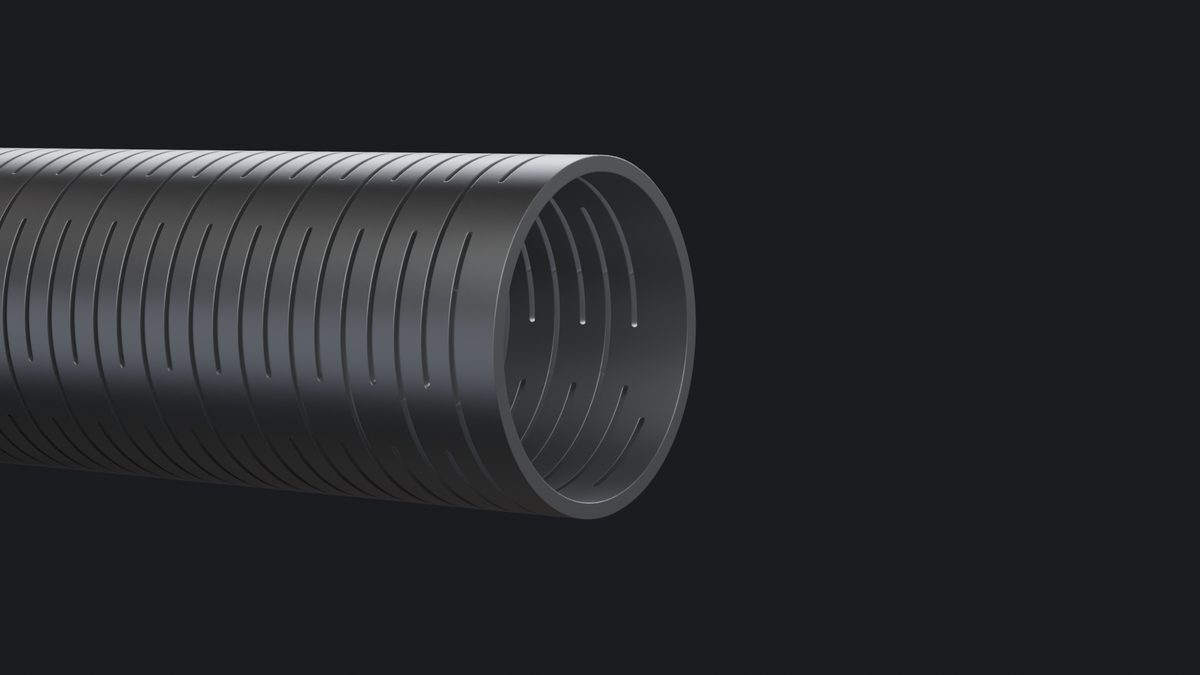
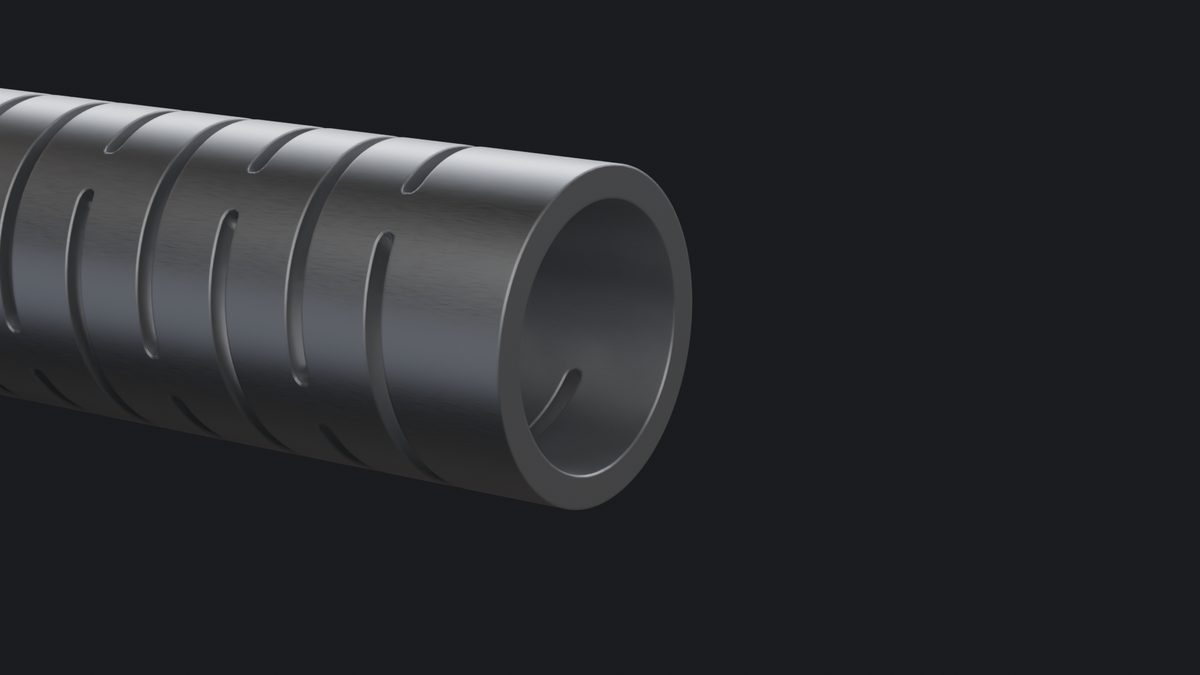
A catheter shaft is a thin metal tube with a pattern of slots in its wall, and the pattern is the whole design: how far it bends, how much of a turn at the hub reaches the tip, whether it kinks. We laser cut those patterns, and only those. The engineers on this floor pioneered the interrupted spiral, the pattern behind every hypotube in our catalog, and they still write every program the machines run.
Because the floor does one thing, the parts of it that a customer waits on elsewhere are already in place here: the tube is on the shelf, the program is proven, and the people who release a lot are the people who cut it. That is what lets a catalog part ship in days and a custom prototype leave in two to three.
What we sell
262 laser-cut hypotube sizes and 40 pull rings, 1F to 27F, plus raw 304 stainless hypodermic tubing by the stick. Every product page carries a 3D model, an engineering print and the price, so the comparison you would ask us for is on the page before you ask.

262 sizes
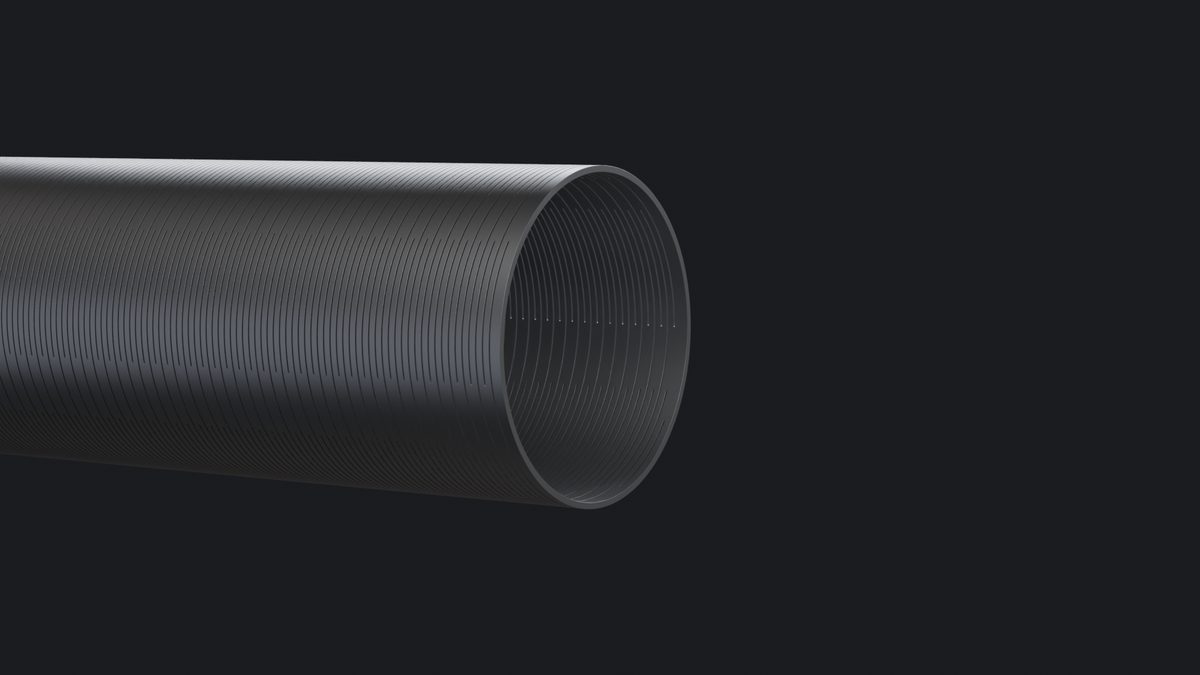
Interrupted spiral, 6 in shorties and full-length tubes, 0.014 in to 0.353 in OD, three rhythms at every size.
Browse hypotubes →
40 sizes
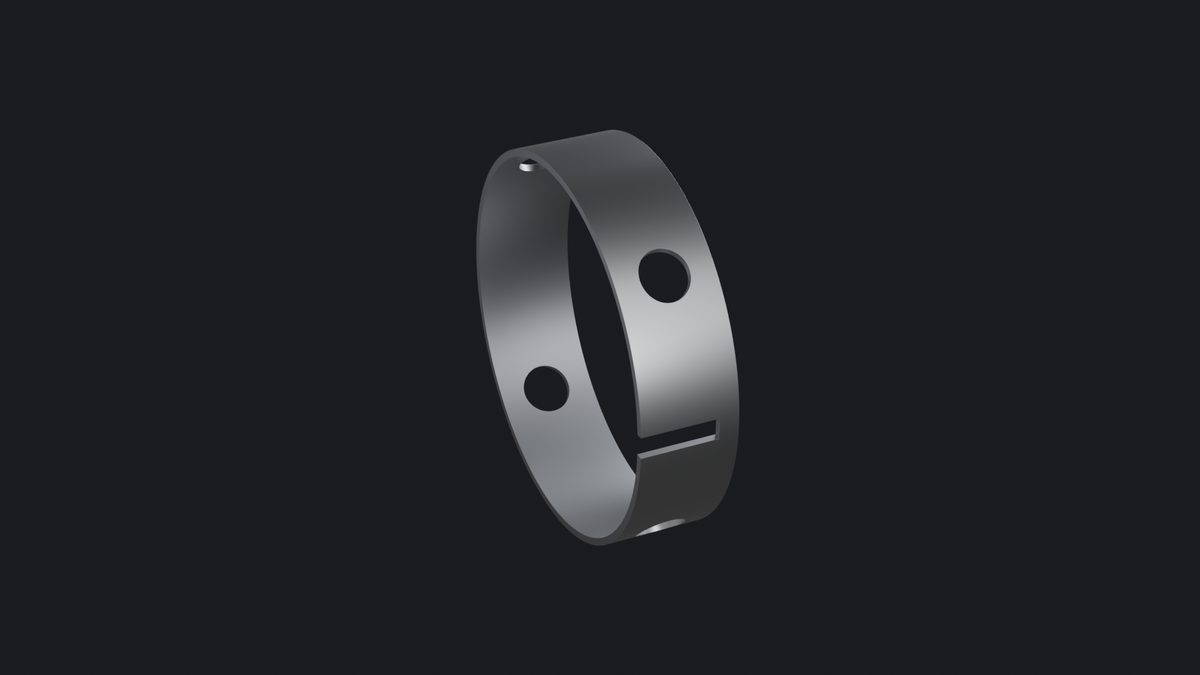
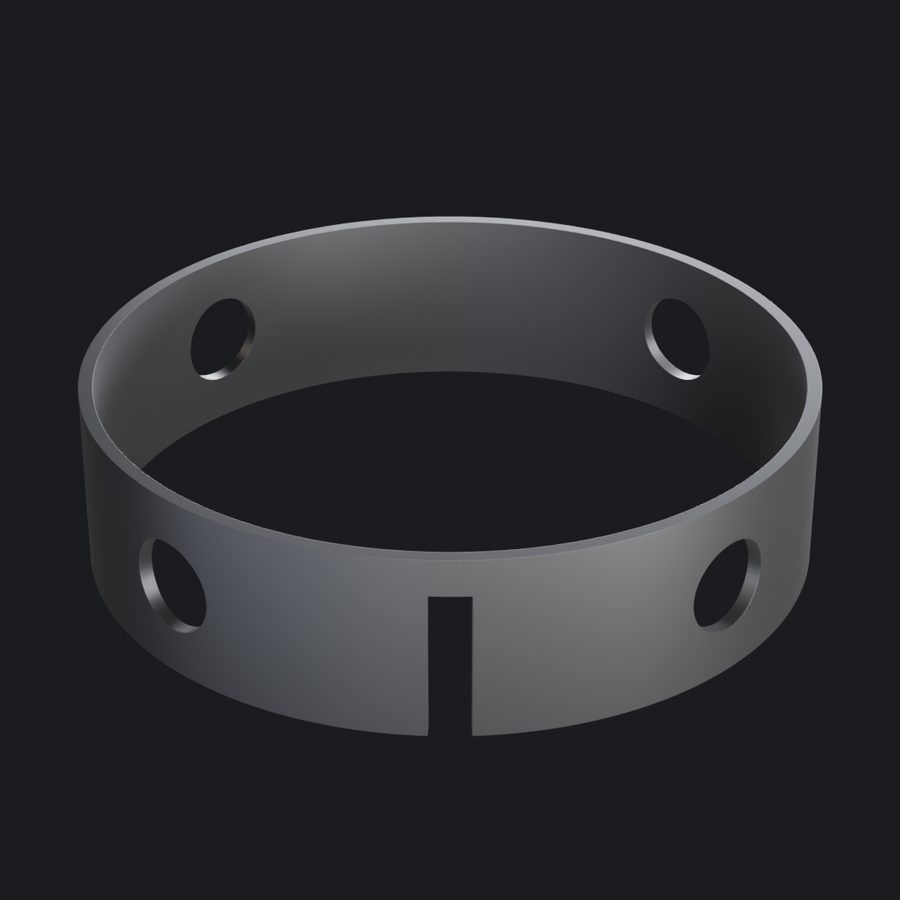
For steerable and deflectable catheters, one or two pull-wire slots, laser cut from 304 stainless.
Browse pull rings →By the stick
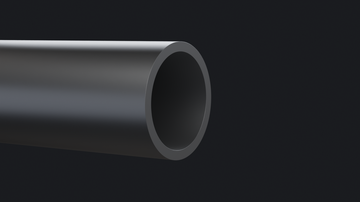
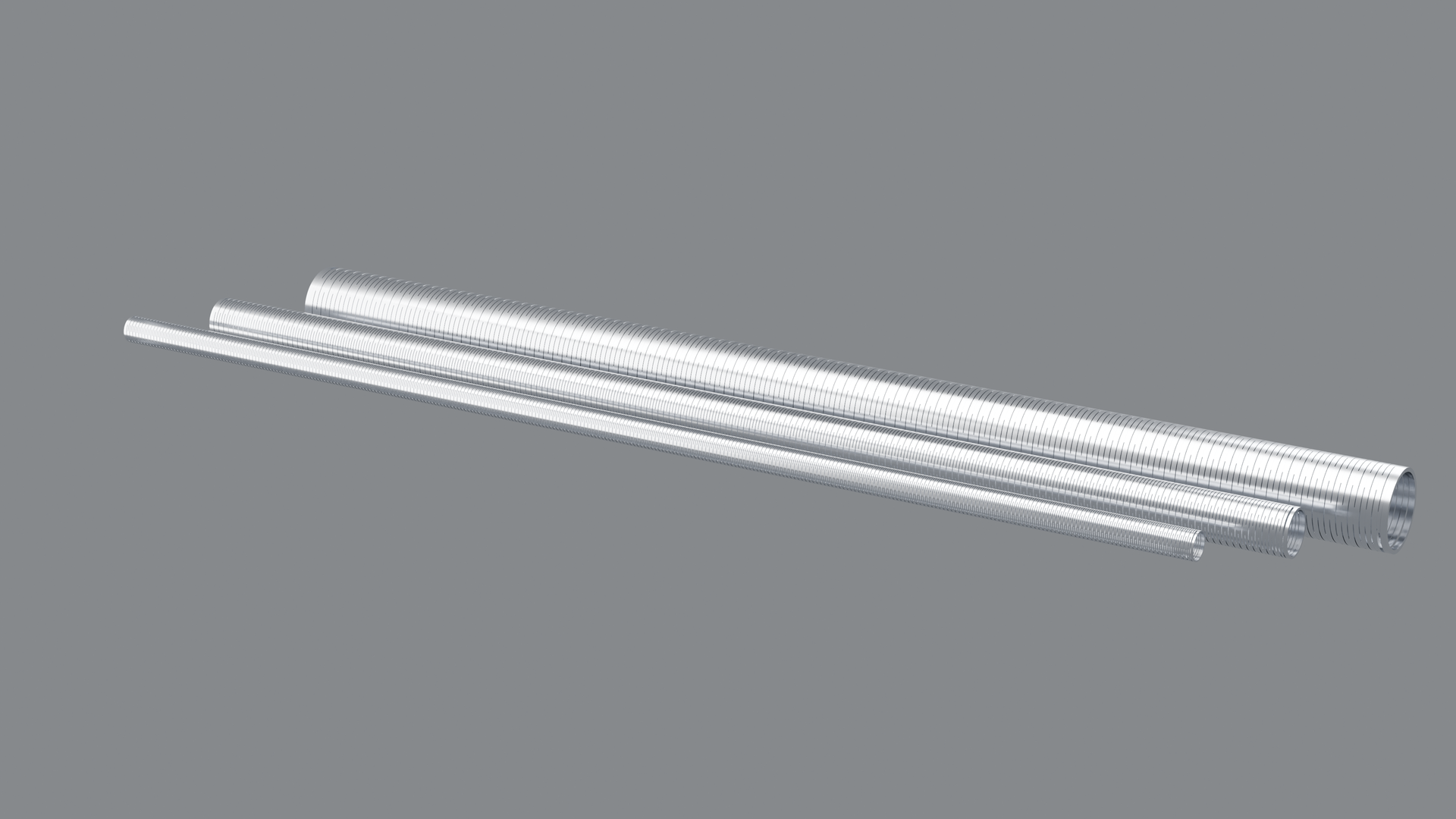
304 stainless hypodermic tubing, 6G to 34G, ASTM A908, full certs with heat-lot traceability, no mill minimums.
Browse raw tubing →How a part is made here
Five stations, one floor. This is what happens between your order and the box.
304 stainless hypodermic tubing, 6G to 34G, ASTM A908, on the shelf with heat-lot certs. A catalog part starts from tube we already hold, so a mill lead time is never part of yours.
A cutting program is the pattern as the machine reads it: pitch, degrees cut and uncut, cuts per revolution, every bridge placed. More than 8,500 are on file, written and proven on this floor, and a new part is written the same way by the engineers who designed its geometry.
A 0.001 in kerf on machines built for hypodermic tubing, under oxygen assist for stainless and an inert gas for nitinol-class alloys. The standing tolerance is ±0.0002 in, and the finest feature we have cut is 11.5 µm, a sixth of a human hair.

Every lot is released by people who have spent their careers on laser-cut tube, under an ISO 13485 quality system. Full traceability back to the heat, a certificate of conformance on request, and ASTM A380 cleaning with A967 passivation when the part calls for it.

Prototypes leave in two to three days. Production runs the same program the prototype did, so the part you validated is the part you receive, and the number in the order field is what changes.

The numbers
Every figure below is one the shop can back, and each one is on a product page or a print somewhere in the catalog.
Working with us
If the part is in the catalog, buy it. If it is not, bring the numbers it has to hit: OD and ID, the bend radius, how the shaft should behave from tip to base, what else matters. Our engineers design the geometry from those and write the program. The requirements form asks for exactly that; custom work is quoted separately from the store, in 304, 316, 303 or 17-7 stainless, nitinol or platinum-iridium.
We sell components. Nothing in the store is a finished medical device, and if you build our parts into one, you are the device manufacturer. Parts ship as cut unless the product page says otherwise. The Terms of Sale carry the rest.
Davis, California. sales@stratoslaser.com reaches the people who write the cutting programs, not a sales queue.
Buy stock parts from the catalog, or send us the numbers your part has to hit.